I first met Natalie Parkes at a prostate cancer fundraiser on Macleay Island. Not the kind of place you expect to uncover a story about marine construction, logistics, and large scale infrastructure, but that’s exactly where the conversation led.
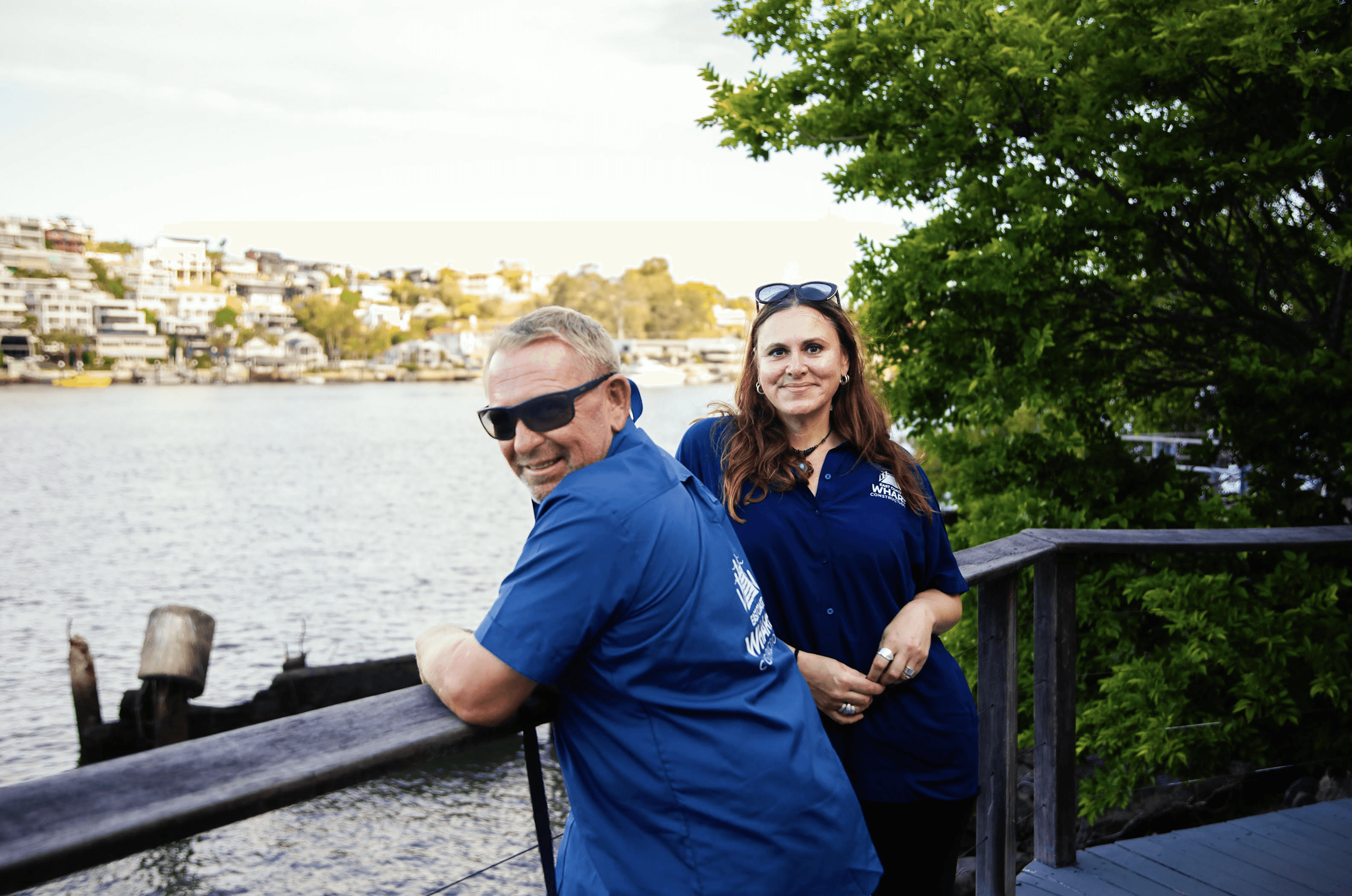
Alongside partner Ben King, Nat co-runs East Coast Wharf Constructions, a business operating across the east coast of Australia, the Northern Territory, Tasmania, and beyond when the right project demands it.
Most businesses start with a fixed point; an office, a street address, a defined customer base. This one starts with water. Floating infrastructure, storm damaged pontoons, and coastal assets that only become visible when they fail.
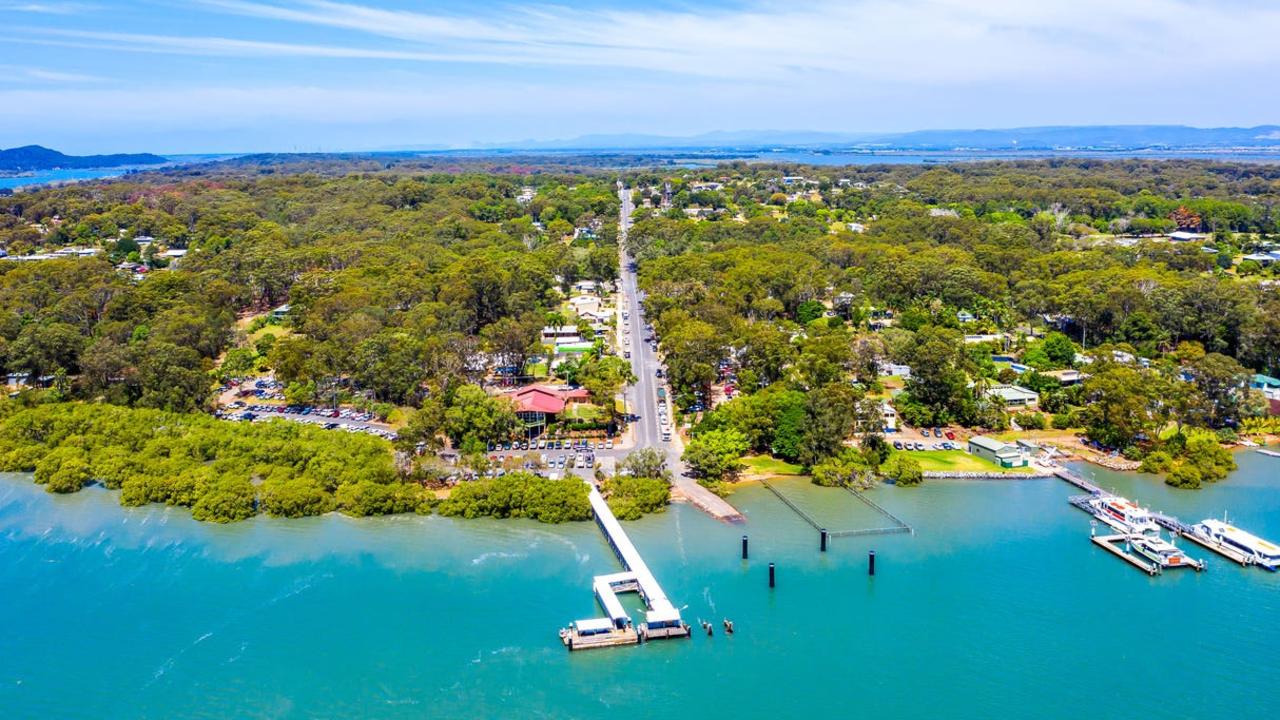
But their base sits on Russell Island. Which is where the contradiction lives. Because it looks, at first glance, like a small island operation. And it isn’t.
“We get that a lot,” Nat told me later. “People assume we’re local only, but we’re just private about what we do.”
There’s no frustration in her voice. More a quiet accuracy that comes from being consistently misfiled in other people’s mental categories.
What people don’t see is the movement behind the work. Barges become floating bases of operation. Equipment shifts between island and mainland depots. Planning is shaped by tides, not calendars. Travel follows water routes and weather windows.
Sometimes work even stops completely because dolphins are moving through the area. Other days are less predictable again; pulling plastic and hazards from the water, salvaging storm damaged vessels, helping rescue injured turtles for treatment at Sea World, or dragging stranded boaties off sand bars after a grounding. There are even moments spent pumping out houseboats that have taken on water.
Even a “typical week” doesn’t really exist. Some weeks are Brisbane River maintenance and salvage. Others involve large scale coastal construction in partnership with commercial operators. And sometimes it’s response work; flood damage, storm impact, infrastructure failure. The constant is not location, but water.
There’s a romantic version of island life; slower pace, quiet mornings, escape from the mainland. Nat and Ben’s reality is more complicated. Yes, there are glassy mornings and calm crossings. But Russell Island is not separate from the work; it is structurally part of it. The island becomes less a lifestyle statement and more a working position; practical, connected, and aligned with the nature of the work.
“We’re in the water every day anyway, and it just makes sense to be based here,” Ben said.
One of the quieter tensions in their story is visibility. The work is large scale, but recognition rarely matches its reach. There are no shopfronts, no passing traffic, no casual exposure. Instead, reputation is earned through projects, contracts, and steady delivery.
“For us, success is consistency,” Nat said. “Being called back because we keep doing the job properly.”
It’s not language that photographs easily. But it builds infrastructure that lasts.
What becomes clear is that businesses like East Coast Wharf Constructions exist in a parallel economy most people don’t register. Embedded in waterways, ferry routes, port systems, island communities. Connected not just by geography, but by function.
“It’s not just where we work, it’s who we work alongside,” Nat said.
That includes the quieter infrastructure of island life; hardware stores, servos, small trade networks that keep everything moving.
If you only look at location, you underestimate them. Island based, community connected, quietly mobile. All true, but incomplete on their own. Because underneath is a business that shifts from salvage to coastal construction to interstate infrastructure without changing its core approach - respond to water, conditions, and need.
After the fundraiser, as people drifted toward ferries and home, I kept thinking about something Nat said almost in passing; that living here changes your sense of pace. That you work with what you’ve got. That you don’t make a song and dance out of things, you just get on with it. It sounded simple at the time. But it explains a lot.
About how a business can sit quietly on Russell Island and operate across thousands of kilometres of coastline. About how something can look small from a distance and still be structurally significant. And about how the most interesting operations are often the ones you don’t immediately see.