At some point during our conversation, Alan Brooks started talking about curlews. Not budgets, not committee politics, not membership numbers or operational strategy. Curlews.
Specifically, the one that wanders through the outdoor area of the Russell Island Bowls Club late at night after everybody has gone home, scavenging for dropped chips while staff lock up after another long day.
Honestly, it told me more about the club than any formal interview answer ever could. Because bowls clubs are healthy little ecosystems. Especially on islands. Not just human ones either.
They are part sports venue, part therapist’s office, part music venue, part emergency relief centre, part neighbourhood kitchen and part accidental sociology experiment; the kind of place where wildlife wanders through after dark as if it belongs there too.
Somewhere between the bowls tribe and the trivia tribe sits the emotional pulse of a community trying to hold itself together in increasingly disconnected times. And now Alan Brooks has somehow found himself elected President right in the middle of it.
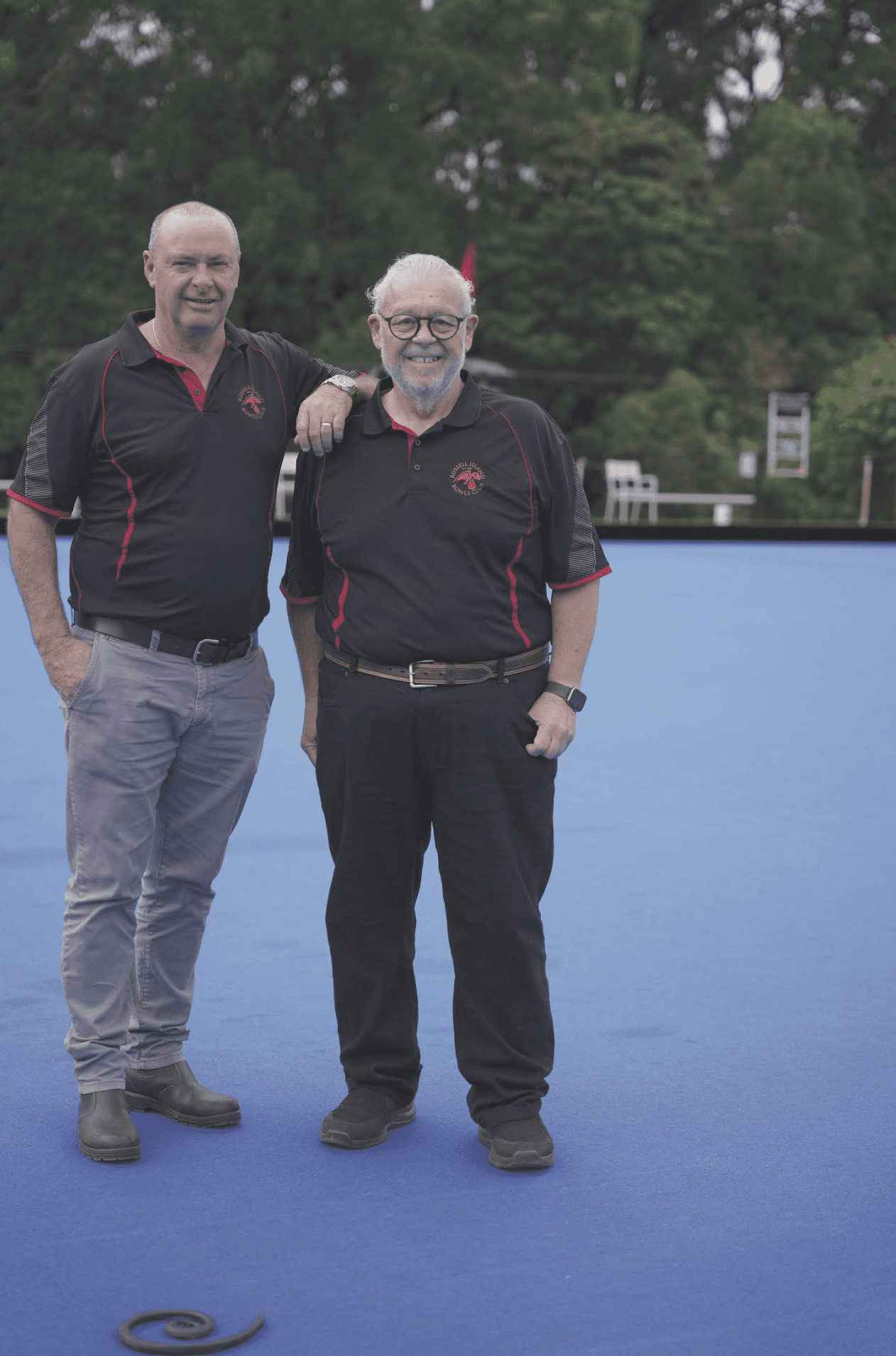
“I think people were looking for someone who is hands on,” he says. “Someone keen to take a strong role in steering the club through the next stage.”
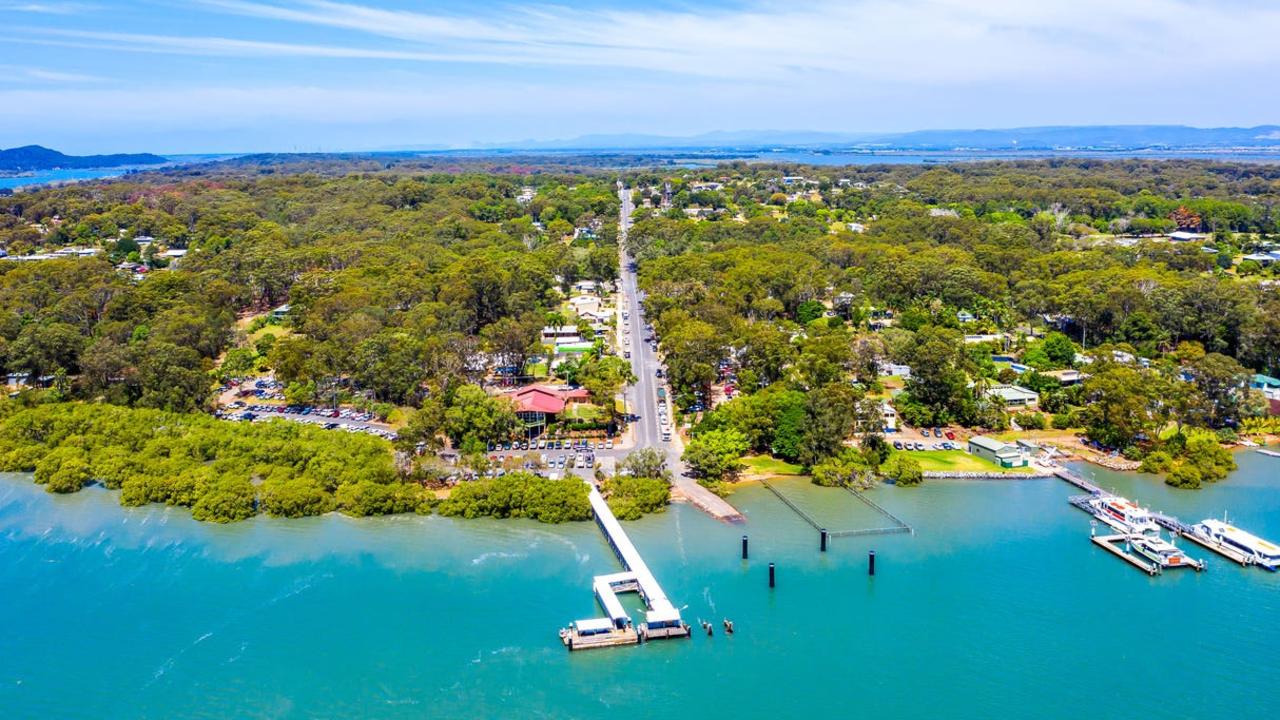
That “next stage” involves a proposed new building, expanding community engagement and keeping the club relevant on rapidly growing islands where the population is shifting faster than the stereotypes mainlanders still cling to. Alan says outsiders still misunderstand island life.
“What people get wrong is the community spirit and the diversity of the residents,” he says.
That diversity is obvious the moment you walk inside. Aged care groups arriving for lunch, tradies unwinding after work, retirees dancing to live music, families feeding kids chips under tables, bowlers taking competition seriously while nobody else does and laughter spilling from the bar. Behind it all, more than thirty local staff keeping the machine running.
“It’s crazy busy, and the demands are unrelenting,” Alan laughs.
This is where the romantic mainland fantasy of bowls clubs collapses. There are no sleepy afternoons or cucumber sandwiches. The Russell Island Bowls Club is organised chaos wrapped in community obligation. Alan jokes the object that best represents it is the office panic button bell.
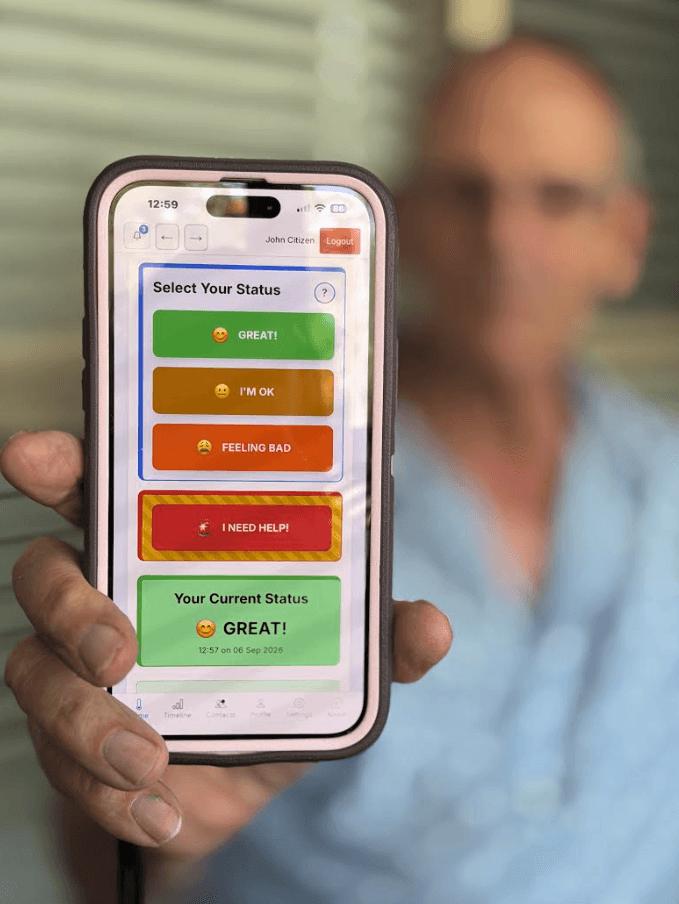
“The bell gets more action than the lawn bowls some days,” he says. And he’s not exaggerating, because order here is always one moment away from needing to be restored.
But beneath the humour is a system that only functions because the right people are in the right roles. At the centre of that is General Manager Phil McAuley, whose working relationship with Alan is built on trust, speed, and a shared understanding of what the club actually needs in real time. There’s no performative management layer between them; decisions happen, problems are dealt with, and things move. It’s not formal so much as instinctive.
“We’ve got a great understanding, the kind that doesn’t need over explaining,” he says.
The story, though, is not really about bowls. Not entirely. It is about belonging.
The club supports sporting groups, schools, artists, wildlife carers, musicians and community organisations. It hosts wakes and provides finger food free of charge because grieving people on small islands still quietly look after each other. It offers affordable meals in a time when many households are stretched and free entertainment across weekends because people need somewhere to go where existing doesn’t cost a fortune.
Alan talks about the venue less like a businessman and more like someone protecting a place that matters.
“The Bowls Club is definitely about bowls, but it’s also very much part of our wider community,” he says. “People come here for all sorts of reasons; and most of them have nothing to do with bowls.”
That goes some way to explaining why bowls clubs are becoming cool again in places like the Bay Islands. Younger generations are chasing what these places accidentally perfected decades ago; authenticity. Real spaces, affordable nights out, human interaction not built around image, status or performance.
The Russell Island Bowls Club manages to feel both old school and current at the same time. Alan understands the balance instinctively. He says some clubs are disappearing because they failed to adapt, while others survive by staying relevant to the communities around them.
“This does not happen by accident,” he says.
Which is why the future plans sound less like preservation and more like reinvention; family spaces, a children’s play area, flexible event areas, stronger entertainment, and more reasons for people to walk through the doors who have never touched a bowl.
“We need to lead the provision of recreation spaces and activities,” Alan says.
That sounds simple until you live on an island. Because here, places like this are not extras. They are infrastructure, and they hold people through rough weeks, keep older residents connected, and turn newcomers into locals simply by repetition.
Alan arrived about four and a half years ago after leaving the Glass House Mountains and travelling Australia as a grey nomad. He says people who thrive here tend to be connected to nature, creativity and casual friendliness.
“It also caters for people who wish to disappear from the real world,” he says.
That line resonates. Because the club seems to cater for both; people disappearing and people reconnecting.
When asked what unwritten rule defines the bowls club culture, Alan doesn’t hesitate.
“Don’t take yourself too seriously.”
Alan also speaks about wanting people to feel safe, welcome and part of the place when they walk through the doors. No grand speeches, no self importance, just good energy.
And that’s probably enough to explain how a place like this actually works; not through calm, but through constant motion, adjustment, and the people willing to keep showing up.
Alan Brooks seems fine with that, as long as the doors stay open, the lights stay on, and the panic button still works when it needs to.
Fun Fact: It’s not a “bowls ball”. It’s a “bowl”. And the white target is called “the jack”, or “the kitty”. Sounds harmless enough, until you see how quickly the claws come out when everyone’s competing for it.